- Cafe Business Plan India: Your Roadmap to Profitability
- The Core Components of a Winning Cafe Business Plan
- 1. Executive Summary: The First Impression
- 2. Company Description & Concept
- 3. Market Analysis: Understanding the Indian Coffee Landscape
- 4. Location, Location, Location: The Heart of Your Operations
- 5. Menu Engineering & Sourcing
- 6. Marketing and Sales Strategy for Your Cafe Business Plan in India
- 7. The Operational Blueprint: Management and Staffing
- 8. Financial Projections: The Numbers Game
- 9. Navigating Legalities: Licenses and Permits
- Ready to Brew Your Success Story?
Cafe Business Plan India: Your Roadmap to Profitability
A cafe business plan India requires more than just a passion for coffee; it demands a strategic blueprint for navigating one of the world’s most dynamic and competitive markets. The Indian café culture has exploded, evolving from traditional chai stalls to sophisticated espresso bars and community hubs. While the opportunity is immense, success hinges on a meticulously crafted plan that anticipates challenges, defines your brand, and charts a clear path to profitability. Without this foundational document, even the most charming café concept can quickly run into financial and operational trouble.
The Core Components of a Winning Cafe Business Plan
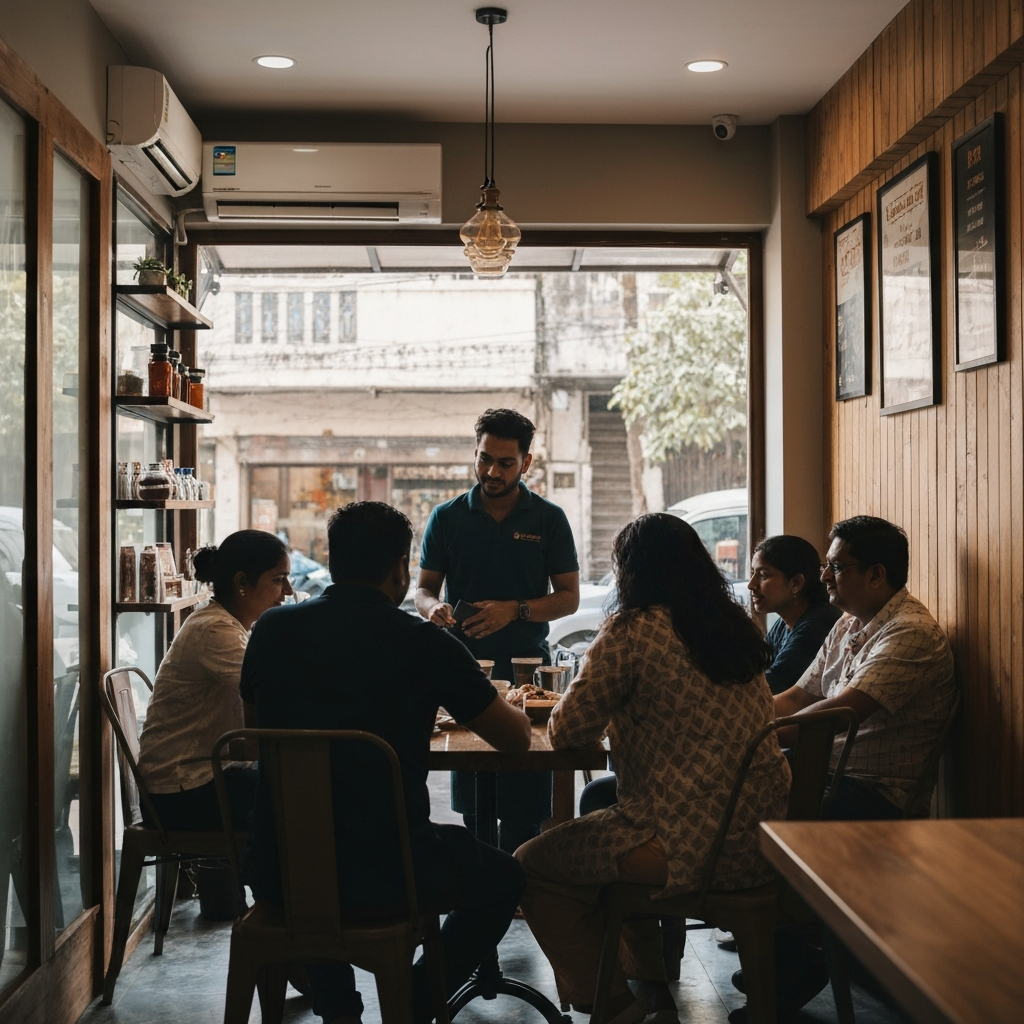
A robust business plan serves as your internal guide and your pitch to potential investors. It forces you to scrutinize every aspect of your venture, from your coffee bean supplier to your marketing strategy.
1. Executive Summary: The First Impression
The executive summary is the concise, powerful overview of your entire business plan. Written last but placed first, it must capture the reader’s attention immediately. It should articulate your cafe’s mission, the unique experience you offer, key financial highlights, and a summary of your startup capital requirements. Think of it as the “trailer” for your business—it needs to be compelling enough to make someone want to see the whole movie.
2. Company Description & Concept
Here, you paint a vivid picture of your cafe. What is your core concept? Are you a quick-service espresso bar targeting office-goers, a cozy, book-filled haven for students, or a high-end specialty coffee lounge offering artisanal brews? This is where you define your Unique Selling Proposition (USP). In a market crowded with chains and independent players, your USP is what makes you different. It could be your commitment to single-origin Indian coffee, a unique food menu featuring local fusion dishes, or a community-focused space that hosts workshops and live music.
3. Market Analysis: Understanding the Indian Coffee Landscape
Deep-diving into the market is non-negotiable. The Indian café market is projected to grow significantly, driven by a burgeoning middle class and a youth demographic with increasing disposable income. According to Statista, the coffee market in India is on a steady upward trajectory.
Your analysis must cover:
Target Audience: Define your ideal customer. Is it the Gen Z student in Pune, the corporate professional in Gurugram, or the creative freelancer in Bengaluru? Understand their spending habits, preferences, and what they seek in a café experience.
Competition: Analyze your direct and indirect competitors. This includes international giants like Starbucks, established domestic chains like Café Coffee Day, and the independent third-wave coffee shops in your vicinity. What are their strengths and weaknesses? Where are the gaps in the market you can fill?
Trends: Acknowledge the “third-wave coffee” movement, which emphasizes high-quality, artisanal coffee. Consumers are more educated than ever about beans, brewing methods, and ethical sourcing.
4. Location, Location, Location: The Heart of Your Operations
The adage holds true, especially in India. Your location can make or break your business. Key factors to consider include:
Footfall and Visibility: High-traffic areas like main streets, shopping malls, or business hubs are ideal but come with higher rents.
Accessibility: Is there adequate parking? Is it close to public transport?
Demographics: Does the local population match your target audience? A high-end café may struggle in a student-dominated area, and vice-versa.
5. Menu Engineering & Sourcing
Your menu is your primary product. It should be a balanced mix of high-profit items and crowd-pleasers.
Beverages: Beyond espresso-based drinks, consider manual brews, specialty teas, and signature non-caffeinated options.
Food: A well-curated food menu can significantly boost your average order value. Think sandwiches, pastries, salads, and perhaps a few hot dishes that are easy to prepare.
Sourcing: Emphasize quality. Partner with reputable local coffee roasters and source fresh ingredients from local suppliers where possible. This not only ensures quality but also creates a compelling brand story.
Pricing: Calculate your food cost per item meticulously to ensure healthy profit margins. Your pricing should reflect your brand positioning, ingredient quality, and local market rates.
6. Marketing and Sales Strategy for Your Cafe Business Plan in India
You can have the best coffee in town, but if no one knows about it, you won’t succeed. Your marketing plan needs a multi-pronged approach.
Digital Presence: A strong online footprint is crucial. This includes an aesthetically pleasing and user-friendly website to showcase your menu, story, and ambiance. A well-designed site acts as your digital storefront. Social media, particularly Instagram, is vital for visually driven businesses like cafes. High-quality photos of your food, coffee, and interiors can attract a massive following.
Local SEO: Ensure your café is listed and optimized on Google My Business to appear in “near me” searches.
Aggregator Platforms: Partnering with platforms like Zomato and Swiggy is essential for delivery and reaching a wider audience.
Offline Marketing: Don’t neglect traditional methods. Host opening events, create loyalty programs, and collaborate with neighboring businesses to build a local community around your brand.
7. The Operational Blueprint: Management and Staffing
Your team is the face of your brand. A detailed operational plan outlines your day-to-day processes. This includes defining roles and responsibilities for your staff—from the manager to the baristas and kitchen crew. Invest in proper training, especially in customer service and coffee preparation. A knowledgeable and friendly barista can turn a one-time visitor into a loyal regular.
8. Financial Projections: The Numbers Game
This is the most critical section for securing funding. Be realistic and thorough.
Startup Costs: Detail every one-time expense, including rent security deposit, interior design and fit-out, kitchen equipment, furniture, point-of-sale (POS) system, and initial inventory.
Operating Costs: Project your monthly recurring expenses, such as rent, employee salaries, utility bills, inventory replenishment, and marketing budgets.
Revenue Forecasts: Project your sales based on estimated daily customers and average transaction value. Create a break-even analysis to determine when your business will become profitable.
9. Navigating Legalities: Licenses and Permits
Operating in India requires compliance with several regulations. Failing to secure the proper licenses can lead to hefty fines or even closure. Key permits include:
FSSAI License (Food Safety and Standards Authority of India)
GST Registration
Shop and Establishment Act License
Health/Trade License from the local municipal authority
Fire Safety Certificate
Always consult with a legal professional to ensure you have all the necessary paperwork in order before you open your doors.
Ready to Brew Your Success Story?
A comprehensive business plan is not just a document for investors; it’s your strategic compass in the bustling Indian café industry. It transforms your vision into an actionable strategy, guiding your decisions on everything from menu pricing to marketing campaigns. The planning phase is your opportunity to build a solid foundation for a brand that resonates with customers and stands the test of time.
Building that brand requires more than great coffee—it requires a powerful digital presence that tells your story and attracts customers. If you need a partner to craft a digital strategy and a stunning website that captures the essence of your café, consult the experts at Rank Raptor.