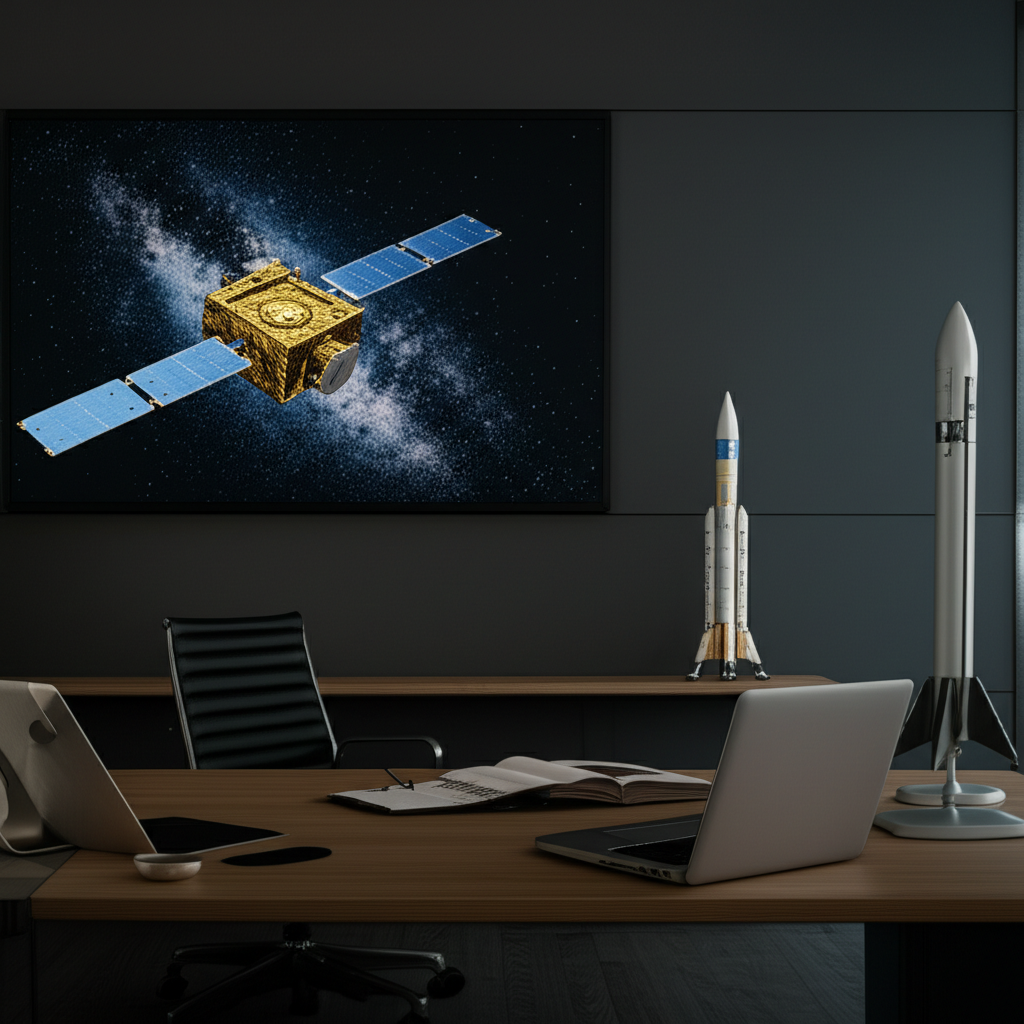
- Space Tech Marketing Luxembourg: The Grand Duchy’s New Frontier
- Why Traditional Marketing Fails in Luxembourg’s NewSpace Ecosystem
- Crafting a Winning Strategy for Space Tech Marketing in Luxembourg
- Establish Thought Leadership Through Content
- Leverage Digital Channels with Precision
- Engage with the Ecosystem: Events and Partnerships
- Measuring Success Beyond Vanity Metrics
- Your Mission: A Cohesive Marketing Strategy
Space Tech Marketing Luxembourg: The Grand Duchy’s New Frontier
Space tech marketing Luxembourg requires a fundamentally different approach than marketing in almost any other sector. The Grand Duchy has strategically positioned itself not just as a participant but as a global pioneer in the NewSpace economy, particularly through groundbreaking initiatives like SpaceResources.lu. This has cultivated a unique ecosystem of ambitious startups, established satellite operators, research institutions, and specialized venture capital. For businesses operating within this sphere—from Earth observation data analytics firms to asteroid mining prospectors—generic marketing campaigns are not just ineffective; they are a waste of critical resources. Success demands a strategy built on precision, credibility, and a deep understanding of the highly technical and relationship-driven landscape.
Why Traditional Marketing Fails in Luxembourg’s NewSpace Ecosystem

The typical B2C or even standard B2B marketing playbook is ill-suited for the space technology sector. The audience isn’t the general public; it’s a small, highly educated group of engineers, scientists, policymakers at bodies like the Luxembourg Space Agency (LSA), and discerning investors. The sales cycles are long, often measured in years, and decisions are based on rigorous technical validation, trust, and proven capabilities, not catchy slogans.
Furthermore, the value proposition is complex. You aren’t selling a simple product; you’re selling a critical component for a multi-million-euro satellite, a novel data set that can reshape an entire terrestrial industry, or a legal framework for off-world commerce. Broadcasting a wide net with conventional advertising is like trying to find a specific asteroid with a pair of binoculars. The goal is not mass awareness but targeted engagement with the few dozen individuals and organizations that can make or break your business. This is a world of Account-Based Marketing (ABM), where reputation and peer-reviewed validation are the ultimate currency.
Crafting a Winning Strategy for Space Tech Marketing in Luxembourg
A successful strategy moves beyond simple promotion and focuses on establishing authority and building trust within this tight-knit community. It’s about demonstrating value long before a contract is ever signed.
Establish Thought Leadership Through Content
In a field driven by innovation, being recognized as an expert is paramount. This is achieved through a sustained content strategy that prioritizes depth and technical accuracy over volume. Forget daily blog posts about generic topics. Instead, focus on creating high-value assets that address the specific challenges and opportunities within the Luxembourg space sector.
This includes:
Technical White Papers: Detailed explorations of your technology, its applications, and its advantages over existing solutions.
Case Studies: Demonstrating how your satellite data helped a client in the maritime or agriculture sector optimize their operations.
Research Reports: Collaborating with academic partners like the University of Luxembourg to publish findings on topics like secure satellite communications or materials science for space applications.
This content serves as a powerful inbound marketing tool, attracting highly qualified leads who are actively searching for solutions to complex problems. It positions your brand as a credible authority, not just another vendor.
Leverage Digital Channels with Precision
While the audience is niche, they are digitally savvy. The key is to use digital platforms with surgical precision rather than a scattergun approach.
LinkedIn is arguably the most critical social platform for B2B space tech. It’s not for posting company updates; it’s for targeted outreach and content distribution. You can directly engage with engineers at SES, program managers at government agencies, and partners at venture capital firms. Paid campaigns should be hyper-targeted based on job title, company, and industry specializations.
Search Engine Optimization (SEO) is equally vital but requires a specialized focus. You are not trying to rank for “satellite company.” You are aiming for long-tail keywords like “geospatial data analysis for supply chain logistics” or “radiation-hardened component testing.” Your digital presence, anchored by a technically robust and professional website, must be optimized to answer the highly specific queries your ideal customers are typing into search engines. This digital hub is where your white papers and case studies live, capturing leads and demonstrating your expertise 24/7.
Engage with the Ecosystem: Events and Partnerships
Digital efforts must be complemented by real-world engagement. The Luxembourg space ecosystem is collaborative and relationship-based. Having a presence at key industry events, both in Europe and globally, is non-negotiable. These are not just lead-generation opportunities; they are forums for building the personal trust that underpins major contracts.
Beyond events, strategic partnerships are a powerful marketing tool. Collaborating with a non-competing company on a joint project, co-hosting a webinar with a research institution, or simply becoming an active member of industry groups like the Luxembourg Space Cluster amplifies your reach and credibility within the community.
Measuring Success Beyond Vanity Metrics
In space tech marketing, metrics like website traffic or social media followers are secondary. The key performance indicators (KPIs) that truly matter are tied directly to business objectives.
Focus on tracking:
Quality of Inbound Leads: How many inquiries came from target companies or government agencies?
Content Engagement: Who is downloading your white papers? Are they the right people?
Invitations to Tender (ITTs): Is your marketing effort leading to more opportunities to bid on significant projects?
* Strategic Partnerships Formed: Are you building a network that strengthens your position in the market?
Success is measured by the quality of conversations and the progression of relationships through a multi-year sales funnel, not by fleeting digital engagement.
Your Mission: A Cohesive Marketing Strategy
In the capital-intensive and high-stakes world of space technology, marketing cannot be an afterthought. It is a core strategic function that builds the foundation of trust, credibility, and visibility necessary for long-term success in the Grand Duchy’s thriving ecosystem. Navigating this unique landscape requires more than a marketing agency; it requires a strategic partner who understands the nuances of the industry and the mindset of its key players.
If you are ready to align your groundbreaking technology with a marketing strategy that delivers real business impact, it may be time to start a strategic conversation.