
- MedTech Marketing Singapore
- Understanding the Unique Singaporean MedTech Landscape
- Core Pillars of a Winning MedTech Marketing Strategy
- Digital Foundations: Beyond a Basic Website
- Content Marketing: Educating and Building Trust
- Navigating SEO for MedTech in a Regulated Market
- Advanced Strategies for Market Penetration
- Account-Based Marketing (ABM) for B2B Success
- Leveraging Professional Networks and KOLs
- Measuring What Matters: KPIs for MedTech Marketers
- Charting Your Course for MedTech Success
MedTech Marketing Singapore
MedTech marketing Singapore is operating at the intersection of groundbreaking innovation and stringent regulation. As a globally recognized biomedical hub, the city-state presents an immense opportunity for medical technology companies aiming to establish a foothold in Asia. Yet, this sophisticated market demands more than just a great product; it requires a nuanced, strategic marketing blueprint that builds trust with healthcare professionals (HCPs), navigates complex regulatory frameworks, and clearly communicates value to a highly discerning audience. Success here isn’t accidental—it’s engineered through a deep understanding of the local ecosystem.
Understanding the Unique Singaporean MedTech Landscape
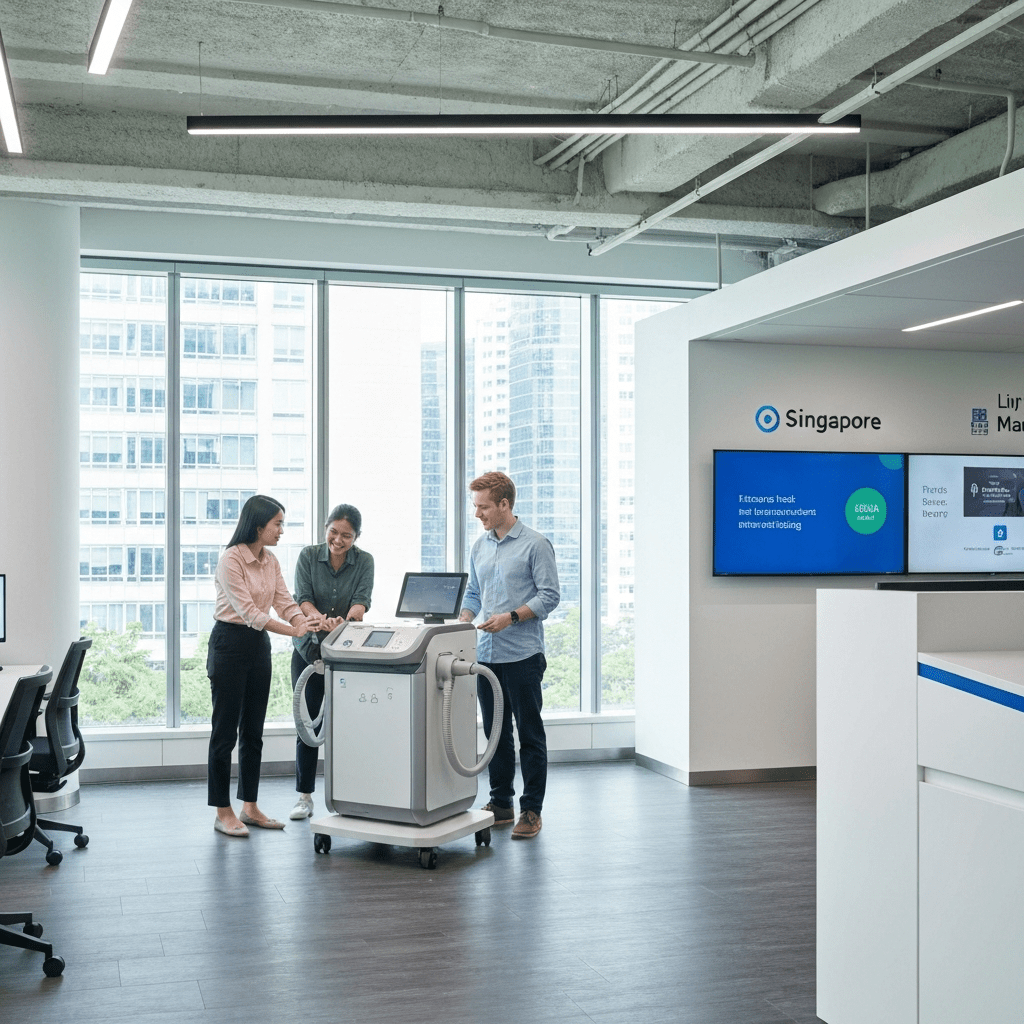
Before launching any campaign, it’s critical to grasp the specific dynamics at play. Singapore’s healthcare system is world-class, characterized by advanced infrastructure, a digitally savvy population, and significant government investment in health and biomedical sciences. This environment creates a fertile ground for MedTech adoption, from AI-powered diagnostic tools to sophisticated surgical robotics and digital health platforms.
However, this opportunity is guarded by a crucial gatekeeper: the Health Sciences Authority (HSA). The HSA’s regulations on the advertising and promotion of medical devices are rigorous. Unlike consumer goods, you cannot make unsubstantiated claims or market directly to the public with promotional messaging for many device categories. According to the official HSA guidelines, all promotional materials must be factual, verifiable, and cannot be misleading. This regulatory reality fundamentally shapes every aspect of a MedTech marketing strategy, pushing the focus from aggressive selling to value-based education.
Core Pillars of a Winning MedTech Marketing Strategy
A successful approach is built on a foundation of authority, education, and digital precision. Simply translating a global marketing plan for the Singapore market is a recipe for failure. Instead, focus on these core pillars.
Digital Foundations: Beyond a Basic Website
Your website is not a digital brochure; it is your primary asset for building credibility. For MedTech companies targeting the Singaporean market, a professional, secure, and highly informative website is non-negotiable. It must serve multiple stakeholders, from a surgeon researching a new device to a hospital procurement officer evaluating its cost-effectiveness. Key elements include detailed product specifications, clinical data, case studies, and clear information on regulatory approvals. The user experience must be seamless, reinforcing the precision and quality of your technology. A well-structured, professional web design is the first step in establishing the trust necessary to engage with Singapore’s top-tier medical institutions.
Content Marketing: Educating and Building Trust
Given the advertising restrictions, content marketing becomes your most powerful tool. The goal is to educate, not to sell. By providing genuine value to healthcare professionals, you build authority and establish your brand as a thought leader.
Effective content formats for the Singapore market include:
White Papers and Clinical Studies: Presenting data-backed evidence that appeals to the scientific and results-driven mindset of clinicians.
Webinars with Key Opinion Leaders (KOLs): Partnering with respected local specialists to discuss new techniques or technologies lends immense credibility.
Detailed How-To Guides and Videos: Demonstrating the practical application and benefits of your device for surgical teams or clinical staff.
Blog Posts on Industry Trends: Discussing the future of healthcare in Singapore and Southeast Asia, positioning your company as a forward-thinking partner.
Your content strategy must be deeply integrated with a sophisticated SEO approach. This isn’t about stuffing keywords; it’s about answering the highly specific questions that doctors, researchers, and hospital administrators are typing into Google.
Navigating SEO for MedTech in a Regulated Market
Search Engine Optimization for a MedTech company is a specialized discipline. Google classifies healthcare as a “Your Money or Your Life” (YMYL) topic, meaning it holds content to the highest standards of Expertise, Authoritativeness, and Trustworthiness (E-E-A-T).
To succeed, your SEO strategy must prioritize:
Technical Excellence: A fast, secure, and mobile-friendly website is the baseline.
Authoritative Content: Every claim must be backed by data and, where possible, written or reviewed by qualified medical experts.
High-Quality Backlinks: Earning links from respected medical journals, university websites, and industry publications is crucial for building domain authority.
Targeted Keywords: Focus on long-tail keywords that capture the intent of a professional audience, such as “robotic-assisted minimally invasive surgery Singapore” or “AI diagnostic imaging for cardiology.”
Advanced Strategies for Market Penetration
Once the foundational pillars are in place, you can deploy more advanced tactics to accelerate growth and connect with high-value decision-makers.
Account-Based Marketing (ABM) for B2B Success
For MedTech companies selling to hospitals and large clinic groups like SingHealth or the National Healthcare Group, a broad marketing approach is inefficient. Account-Based Marketing (ABM) allows you to focus your resources on a select list of high-value target accounts. This involves creating hyper-personalized campaigns that address the specific challenges and needs of each institution. Using platforms like LinkedIn, you can target key decision-makers—from heads of department to procurement managers—with tailored content that speaks directly to their priorities.
Leveraging Professional Networks and KOLs
In Singapore’s close-knit medical community, relationships are paramount. Building genuine connections with Key Opinion Leaders (KOLs) is one of the most effective marketing strategies. These respected clinicians can provide invaluable feedback, participate in clinical trials, and act as powerful advocates for your technology. Engaging with medical associations, sponsoring local conferences, and participating in industry events are essential for building visibility and fostering the relationships that drive adoption.
Measuring What Matters: KPIs for MedTech Marketers
To prove ROI and refine your strategy, you must track the right metrics. Vanity metrics like social media likes are largely irrelevant. Instead, focus on KPIs that align with business objectives:
Lead Quality: Are you attracting inquiries from the right institutions and professionals?
Demo and Trial Requests: How many qualified HCPs are engaging with your sales team?
Content Engagement: Which white papers or webinars are driving the most downloads and attendance from your target accounts?
Sales Cycle Length: Is your marketing effort helping to educate prospects and shorten the time from initial contact to purchase?
* Brand Search Volume: Are more professionals searching for your brand name directly over time?
By focusing on these performance indicators, you can demonstrate marketing’s direct contribution to revenue and make data-driven decisions to optimize your campaigns.
Charting Your Course for MedTech Success
Thriving in the Singaporean MedTech market is a marathon, not a sprint. It demands a strategic, patient, and value-driven approach that respects the regulatory environment and the intelligence of its professional audience. By building a strong digital foundation, committing to educational content marketing, and leveraging targeted strategies like ABM, MedTech companies can build the trust and authority needed to succeed.
Navigating the intricate landscape of MedTech marketing in Singapore requires specialized expertise. If you’re ready to build a robust strategy that drives growth while ensuring compliance, building a partnership with an agency that understands this unique ecosystem is a critical next step. To explore how a tailored digital strategy can elevate your brand, you can consult with our specialists here.