- Alserkal Avenue Galleries: A Hub of Creative Disruption
- The Curated Five: Beyond the White Cube
- 1. Leila Heller Gallery: A Global Art Powerhouse
- 2. Green Art Gallery: Championing Regional Voices
- 3. The Third Line: Pushing Contemporary Boundaries
- Exploring the Impact of Alserkal Avenue Galleries on Dubai’s Brand
- 4. Carbon 12: The Spirit of the Avant-Garde
- 5. Ishara Art Foundation: A South Asian Focus
- Navigating Your Visit: An Insider’s Perspective
- Building Your Brand’s Cultural Capital
Alserkal Avenue Galleries: A Hub of Creative Disruption
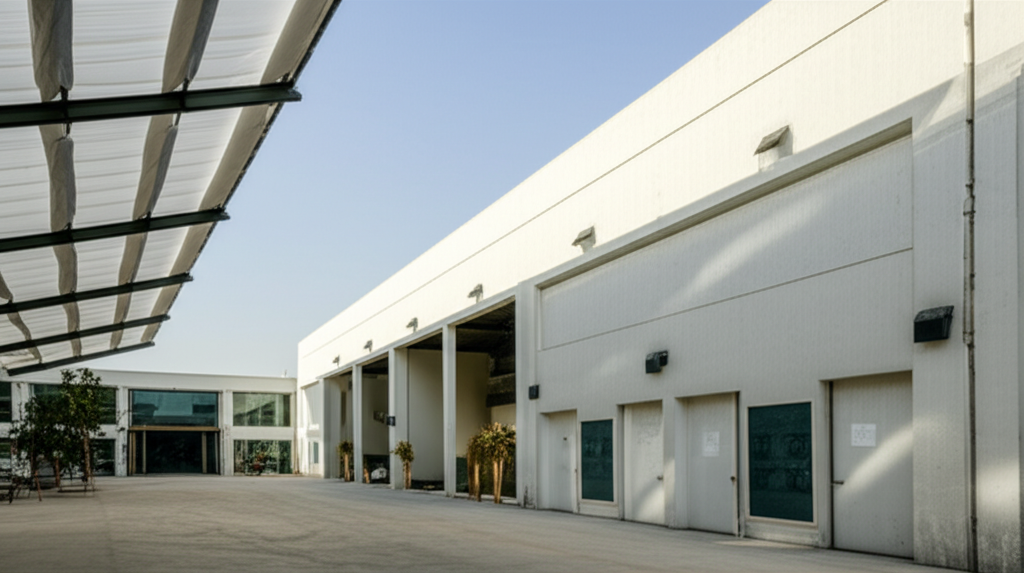
The best Alserkal Avenue galleries represent more than just collections of art; they are the cultural engine of Dubai, housed within the city’s most dynamic creative district. What was once a cluster of industrial warehouses in the Al Quoz industrial area has been radically reimagined into a globally recognized arts hub. For any business leader or entrepreneur, a walk through this district is a masterclass in transformation, branding, and community building. It’s a tangible symbol of Dubai’s strategic shift from a purely commercial center to a nexus of culture and innovation. The spaces here aren’t just exhibiting art; they are shaping conversations, fostering talent, and defining the future of the Middle East’s contemporary art scene.
The Curated Five: Beyond the White Cube
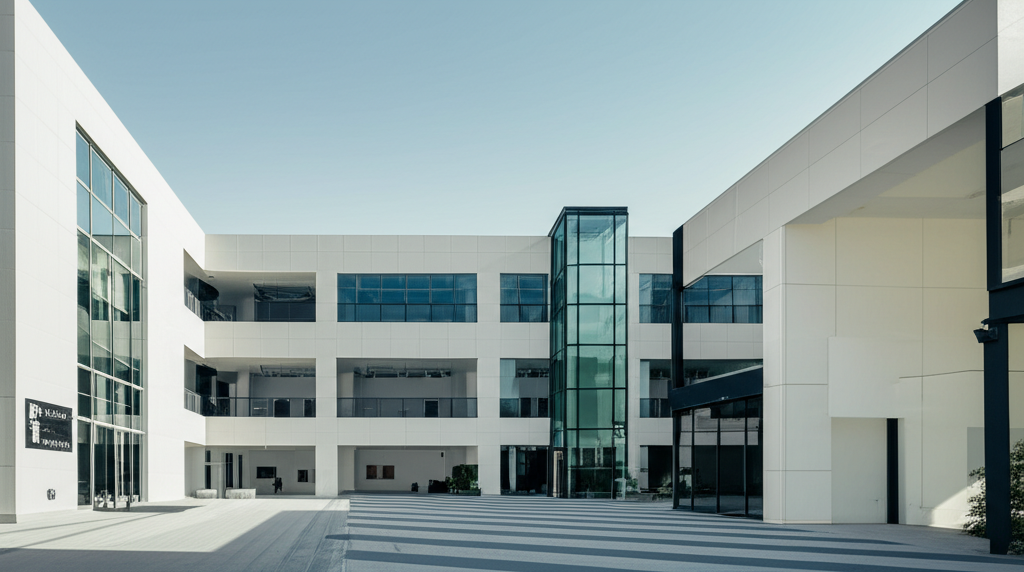
Navigating the sheer volume of creativity in Alserkal can be daunting. This curated list cuts through the noise, focusing on five essential spaces that are not only visually compelling but also influential in their curatorial vision and impact. These galleries are selected for their distinct contributions—from launching regional artists onto the global stage to bringing international powerhouses to the heart of Dubai.
1. Leila Heller Gallery: A Global Art Powerhouse
Stepping into Leila Heller Gallery is an experience in scale and ambition. As one of the largest commercial galleries in the UAE, its cavernous space commands attention. With roots firmly planted in New York’s art scene since the 1980s, the Dubai outpost acts as a crucial bridge between Western and Middle Eastern art worlds. The gallery is known for its museum-quality exhibitions, often featuring modern and contemporary masters like Frank Stella and Tony Cragg alongside groundbreaking artists from the region. For decision-makers, this gallery exemplifies the power of a global brand establishing a strong, localized presence while maintaining its international prestige.
2. Green Art Gallery: Championing Regional Voices
With a history stretching back to 1995, Green Art Gallery is one of the foundational pillars of the UAE’s art scene. Its focus is sharp and unwavering: championing the work of contemporary artists from the Middle East, North Africa, and South Asia. This is the place to discover the next generation of influential voices and to understand the complex, nuanced narratives shaping the region. The gallery’s scholarly approach and its commitment to fostering the careers of emerging and mid-career artists make it a critical institution for anyone looking to grasp the authentic pulse of modern Arab art. Its long-term vision and dedication to nurturing talent offer a powerful lesson in sustainable growth and market development.
3. The Third Line: Pushing Contemporary Boundaries
The Third Line represents the vanguard of contemporary Middle Eastern art. It’s a space that is as much about intellectual discourse as it is about aesthetics. The gallery represents a roster of globally acclaimed artists, including the likes of Hassan Hajjaj, Farah Al Qasimi, and Youssef Nabil, whose works challenge conventions and explore critical themes of identity and globalization. Beyond its exhibitions, The Third Line contributes significantly to the art ecosystem through its extensive publishing arm, producing beautiful artist books and monographs. It demonstrates how a business can lead its industry not just through its core product, but by becoming a center for knowledge and conversation.
Exploring the Impact of Alserkal Avenue Galleries on Dubai’s Brand
The rise of the Alserkal Avenue galleries is a strategic asset for Dubai’s global identity. These institutions project an image of the city that transcends commerce and luxury, positioning it as a serious center for cultural production and intellectual exchange. The meticulous curation of each gallery’s physical space—from the industrial-chic architecture to the precise lighting—is a core part of its brand identity. In today’s market, a compelling online presence is just as critical. A thoughtfully executed web design serves as a digital gallery for a brand’s story, creating an immersive experience that captures and converts an audience.
4. Carbon 12: The Spirit of the Avant-Garde
For those with an appetite for the bold and the unconventional, Carbon 12 is an essential stop. The gallery has built its reputation on a program that is unapologetically fresh and forward-thinking. It champions emerging and mid-career international artists, often introducing their work to the Middle East for the first time. The exhibitions here are known for their energetic, institution-critical perspective, providing a vital counterpoint to more established aesthetics. Carbon 12’s success lies in its clear, uncompromising brand and its ability to cultivate a loyal following that trusts its unique curatorial eye—a lesson in the power of carving out a niche and owning it completely. To plan your visit and see what’s on, checking the official Alserkal Avenue programming schedule is always a good idea.
5. Ishara Art Foundation: A South Asian Focus
A unique entity within the Avenue, Ishara is a non-profit foundation dedicated to exploring the art and culture of South Asia. Its presence acknowledges the deep, historic ties between the UAE and the subcontinent. According to India’s Ministry of External Affairs, the UAE is home to the largest Indian expatriate community in the world, making Ishara’s mission culturally and socially resonant. The foundation presents museum-level, research-led exhibitions that delve into the region’s shared histories and contemporary realities. Ishara is a prime example of how a culturally specific focus, executed with academic rigor and curatorial excellence, can create a powerful and necessary platform for dialogue.
Navigating Your Visit: An Insider’s Perspective
A trip to Alserkal Avenue is an immersive experience. Beyond the galleries, the laneways are filled with concept stores, artisanal cafes, and the independent arthouse Cinema Akil. The best approach is to dedicate several hours, allowing time for serendipitous discovery. Check the exhibition schedules in advance, as gallery shows rotate frequently. Many galleries host artist talks, panel discussions, and opening receptions that are open to the public, offering invaluable networking opportunities and deeper insights into the creative process.
Building Your Brand’s Cultural Capital
Observing the most successful Alserkal Avenue galleries offers more than an art education; it provides a blueprint for impactful brand building. Each space tells a distinct story, curates a specific experience, and engages a dedicated community. They understand that in a crowded marketplace, a strong identity and a clear voice are what set you apart. This same principle applies to any business aiming for leadership in its field.
If you’re looking to build a brand that resonates with the same level of creativity and impact, understanding your digital and cultural landscape is the first step. For a strategic consultation on how to elevate your brand’s presence, consult Rank Raptor here.