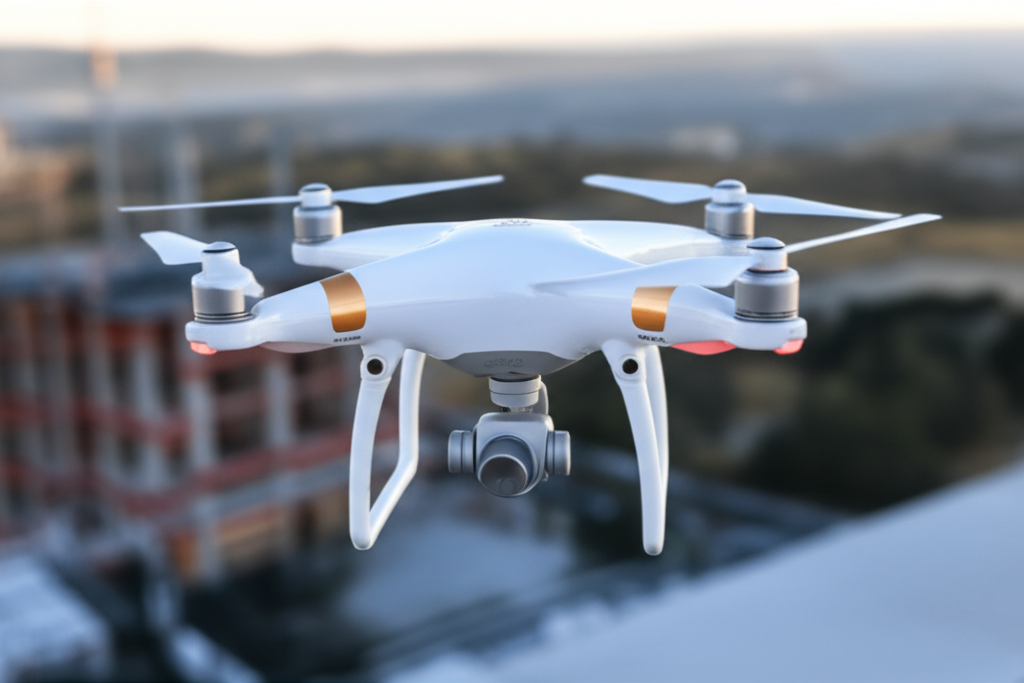
- How to Start a Drone Business: The Groundwork
- Step 1: Define Your Niche and Services
- Step 2: Navigate the Legal Labyrinth: Certification and Regulations
- Step 3: Gear Up: Choosing the Right Drone and Equipment
- Step 4: Crafting a Bulletproof Business Plan
- Securing Your Operations: Insurance and Liability
- Step 5: Building Your Brand and Marketing Your Services
- Ready for Takeoff? Your Next Steps
How to Start a Drone Business: The Groundwork
Knowing how to start a drone business is about more than just mastering flight controls; it’s about building a sustainable enterprise in one of the fastest-growing tech sectors. The commercial drone market is projected to soar, with applications spanning from real estate to agriculture. But turning a passion for unmanned aerial vehicles (UAVs) into a profitable venture requires a strategic blueprint. Success hinges on navigating legal requirements, defining a valuable service, and marketing your unique capabilities to the right audience. This is not a hobby—it’s a highly skilled, in-demand professional service.
Step 1: Define Your Niche and Services
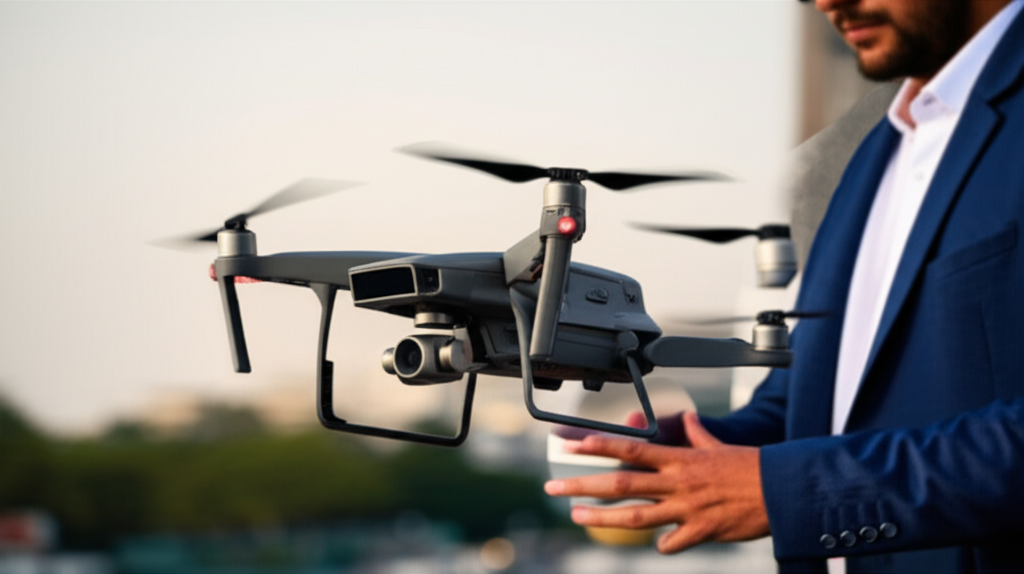
The term “drone business” is incredibly broad. To stand out, you must specialize. Trying to be a jack-of-all-trades is a fast track to mediocrity. Instead, identify a specific, profitable niche where your skills can provide maximum value. The demand for specialized aerial data is exploding, and your focus will determine your equipment, pricing, and client base.
Consider these high-demand sectors:
Real Estate Photography & Videography: This is often the entry point for many drone pilots. High-quality aerial shots and cinematic property tours are now standard expectations for premium listings.
Construction and Development: Drones provide invaluable data for site monitoring, progress tracking, stockpile measurement, and creating 3D models of job sites. This is a lucrative B2B niche.
Agriculture: Precision agriculture uses drones equipped with specialized sensors to monitor crop health, manage irrigation, and optimize yields.
Infrastructure Inspection: Safely inspect bridges, power lines, cell towers, and rooftops without endangering human crews. This requires advanced piloting skills and often, thermal or LiDAR sensors.
Event Coverage: Offer a unique perspective for weddings, concerts, and corporate events, but be mindful of privacy regulations and safety protocols around crowds.
Choose your niche based on your interests, existing professional network, and local market demand. A construction boom in your city makes that a more viable option than agriculture, and vice versa.
Step 2: Navigate the Legal Labyrinth: Certification and Regulations
Operating a drone for commercial purposes is not a gray area; it is strictly regulated. Ignoring the law is the quickest way to end your business before it even takes off, inviting hefty fines and legal trouble.
In the United States, the Federal Aviation Administration (FAA) governs all commercial drone operations. The foundational requirement is obtaining a Remote Pilot Certificate, commonly known as a Part 107 license. To earn this, you must pass a 60-question aeronautical knowledge test at an FAA-approved testing center. The FAA’s official website is the definitive source for study materials, rules, and testing procedures.
Key legal obligations include:
Passing the Part 107 Exam: This certifies you understand airspace classifications, weather effects, drone loading, and emergency procedures.
Registering Your Drone: Any drone weighing over 0.55 pounds (250 grams) must be registered with the FAA.
Adhering to Flight Rules: You must keep the drone within your visual line of sight, fly below 400 feet, avoid flying over people, and respect all airspace restrictions.
State and Local Laws: Beyond federal rules, your city or state may have its own regulations regarding drone use, particularly concerning privacy.
Treat your Part 107 certificate as your professional license. It’s the non-negotiable entry ticket to the industry.
Step 3: Gear Up: Choosing the Right Drone and Equipment
Your drone is your primary business tool, and not all are created equal. The consumer-grade drone you fly for fun is likely insufficient for professional work. Clients are paying for high-quality, reliable data, which demands professional-grade equipment.
When selecting a drone, consider these factors based on your chosen niche:
Camera Quality: For photography and videography, look for a large sensor (1-inch or bigger), high megapixel count (20MP+), and the ability to shoot in 4K or higher resolution. RAW image capability is essential for professional photo editing.
Flight Time: Most professional drones offer around 25-40 minutes of flight time per battery. You will need multiple batteries—at least 4-5—to handle a full day of shooting without lengthy recharging breaks.
Stability and Sensors: GPS and obstacle avoidance sensors are critical for safety and capturing smooth, stable footage, especially in complex environments.
Specialized Payloads: For inspection or agricultural work, you may need a drone capable of carrying interchangeable payloads like thermal cameras, LiDAR sensors, or multispectral sensors.
Beyond the drone itself, budget for essential accessories: a high-quality carrying case, extra propellers, ND filters for the camera, and fast, reliable memory cards.
Step 4: Crafting a Bulletproof Business Plan
A formal business plan transforms your idea into a strategic roadmap. It forces you to think through every aspect of your operations, from startup costs to client acquisition. This document is vital if you seek funding, but it’s just as important for your own clarity and direction.
Your plan should cover:
Service Offerings: Clearly define the packages you will offer (e.g., “Standard Real Estate Package,” “Monthly Construction Progress Report”).
Pricing Structure: Determine how you will charge—per hour, per project, or on a retainer. Research competitors, but price based on the value you provide, not just the market rate.
Target Market: Who is your ideal client? Be specific. “Real estate agents” is okay, but “Luxury real estate agents in the Scottsdale area specializing in multi-million dollar properties” is much better.
Startup Costs: List every expense: drone, accessories, insurance, certification fees, business registration, marketing, and software.
Financial Projections: Create realistic revenue forecasts for your first one to three years.
Securing Your Operations: Insurance and Liability
This is a critical part of your business plan that cannot be overlooked. Standard business insurance does not cover aviation. You need specialized drone insurance. This typically includes two components: liability insurance, which covers property damage or injury to third parties, and hull insurance, which covers damage to your drone itself. Operating without proper insurance is a massive financial risk that no serious professional should take.
Step 5: Building Your Brand and Marketing Your Services
With the legal and operational framework in place, you need to attract clients. This starts with building a professional brand. Your business name, logo, and online presence must convey expertise and reliability.
A professional website is your digital storefront and the cornerstone of your marketing. It’s where you will showcase your portfolio, detail your services, and provide potential clients with a way to contact you. An impressive portfolio is your most powerful sales tool. If you don’t have client work yet, create a stunning demo reel by shooting spec projects that align with your target niche. A professional web design can elevate your brand from a freelancer to a legitimate business, instilling trust and attracting higher-value clients.
Effective marketing channels for a drone business include:
Direct Networking: Connect with real estate brokers, construction project managers, or event planners on LinkedIn and at local industry events.
Local SEO: Optimize your Google Business Profile to appear in local searches for “drone photography near me.”
Visual Social Media: Use Instagram, YouTube, and Vimeo to showcase your best aerial footage and photography.
Content Marketing: Write blog posts about the benefits of aerial data for your target industry to establish yourself as an expert.
Ready for Takeoff? Your Next Steps
Launching a successful drone business is a process of meticulous planning and flawless execution. By establishing a clear niche, securing the proper certification and insurance, investing in professional equipment, and building a powerful brand, you position yourself for success in this dynamic industry. Your expertise is in the air, but your ability to attract and retain clients is grounded in a solid business strategy.
A powerful online presence is non-negotiable for showcasing your work and establishing credibility. If you’re ready to build a digital storefront that reflects the quality of your aerial services, a professional website is your launchpad to sustained growth.