- Build a Portfolio With No Experience: Your Blueprint for Success
- The Mindset Shift: From “No Experience” to “Pre-Experience”
- Actionable Strategies to Build a Portfolio With No Experience
- Master the Art of the Personal Project
- The Power of Speculative Work (When Done Right)
- Volunteer and Pro Bono Projects: Gaining Experience for a Cause
- Leverage Academic or Coursework Projects
- Structuring Your Portfolio for Maximum Impact
- Quality Over Quantity
- The Case Study Framework: Tell a Story
- Choose the Right Platform
- Ready to Build Your Professional Foundation?
Build a Portfolio With No Experience: Your Blueprint for Success
To build a portfolio with no experience is to solve the oldest career paradox: you can’t get a job without experience, but you can’t get experience without a job. For decades, this catch-22 has been the bane of ambitious career changers, recent graduates, and aspiring freelancers. But the solution has been hiding in plain sight. A powerful portfolio is your key to breaking this cycle. It shifts the conversation from what you have done to what you can do, providing tangible proof of your skills that a resume can only hint at.
A portfolio is more than a collection of work; it’s a strategic business asset. It demonstrates your problem-solving abilities, your technical proficiency, and your unique creative voice before you even walk into an interview. It allows you to bypass the traditional gatekeepers and prove your value directly to decision-makers.
The Mindset Shift: From “No Experience” to “Pre-Experience”
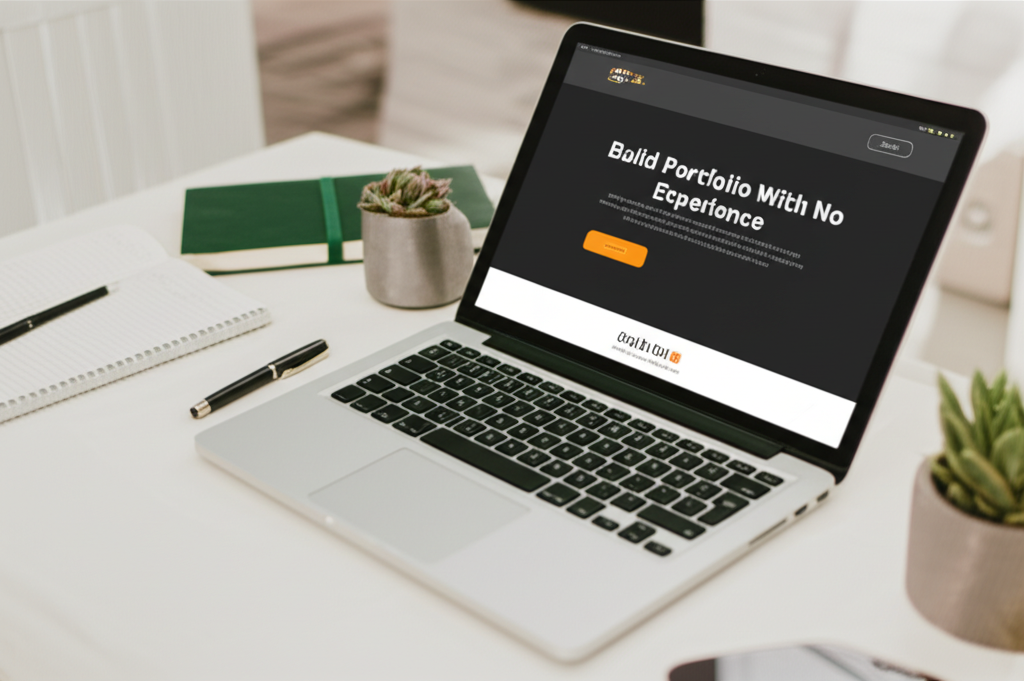
The first step is to reframe the entire problem. You don’t have “no experience”; you have “pre-client experience.” The skills you’ve acquired through courses, self-study, and personal exploration are valid. The challenge isn’t a lack of ability but a lack of documented application. Your goal is to create that documentation yourself.
Hiring managers and potential clients aren’t just looking for a list of past employers. They are looking for capability. They want to see evidence that you can understand a problem, devise a strategy, execute a solution, and deliver a result. A well-crafted portfolio provides exactly that, making your employment history secondary to your demonstrated talent.
Actionable Strategies to Build a Portfolio With No Experience
Waiting for permission to start is a losing game. The most successful professionals are proactive. They create their own opportunities and, in doing so, build a body of work that speaks for itself.
Master the Art of the Personal Project
A personal project is your sandbox for innovation. It’s a project you initiate, define, and execute from start to finish. This is your chance to tackle a problem you’re passionate about, giving you the motivation to see it through to a polished conclusion.
For a Graphic Designer: Redesign the branding for a local business you love. Create a new logo, color palette, and marketing collateral.
For a Writer: Start a niche blog or a Substack newsletter on a topic you know inside and out. This showcases your expertise, writing style, and ability to build an audience.
For a Web Developer: Build a useful tool or application that solves a small but annoying problem you face. This could be a simple budget tracker, a workout log, or a resource aggregator for your hobby.
Treat your personal project with the same seriousness as a paid gig. Document your process, set deadlines, and aim for a professional-grade final product.
The Power of Speculative Work (When Done Right)
Speculative work, or “spec work,” involves creating a project for a real company as if they were your client—without them asking for it. While doing unsolicited work for free in a competitive pitch is controversial, creating a spec piece solely for your portfolio is a powerful strategic move.
Imagine you’re a social media strategist who wants to work with brands in the sustainable fashion industry. Pick a brand you admire and create a comprehensive social media campaign proposal. Develop sample posts, outline a content strategy, and define key performance indicators. This demonstrates not only your creative skills but also your industry knowledge and initiative. It shows you can think like a strategic partner, not just a hired hand.
Volunteer and Pro Bono Projects: Gaining Experience for a Cause
Non-profits, community organizations, and early-stage startups are often rich in passion but poor in resources. They frequently need skilled professionals for web design, content creation, or marketing help but lack the budget to hire a top-tier agency.
Reach out to an organization whose mission you support and offer your services pro bono. This approach provides immense benefits:
Real-World Constraints: You’ll work with real stakeholders, feedback, and deadlines.
Tangible Results: Your work will have a measurable impact on a real organization.
Valuable Testimonials: A glowing review from a non-profit director can be just as powerful as one from a Fortune 500 company.
Leverage Academic or Coursework Projects
If you’re a student or have recently completed an online course, you likely have a collection of projects you’ve already completed. Don’t let them languish on your hard drive. Transform your best academic work into a compelling case study.
Instead of simply stating, “Completed a marketing plan for a class project,” frame it professionally. Explain the project brief (the problem), detail your research and strategic process, and showcase the final plan (the solution). As experts at Google’s own UX Design Certificate program emphasize, the key is to articulate your design process and explain your rationale, turning a simple project into a story of your problem-solving prowess.
Structuring Your Portfolio for Maximum Impact
Having great projects is only half the battle. The way you present them is what separates an amateur collection from a professional showcase.
Quality Over Quantity
Resist the temptation to include every project you’ve ever touched. A portfolio with three to five excellent, well-documented projects is infinitely more effective than one with a dozen mediocre examples. Each piece should be your absolute best work and demonstrate a specific skill or capability you want to be hired for. Your portfolio is a highlight reel, not an archive.
The Case Study Framework: Tell a Story
Every project in your portfolio should be a case study that tells a story. People connect with narratives, and a case study transforms you from a technician into a strategic thinker. Use a simple but powerful framework:
1. The Problem: Clearly state the challenge, the client’s need, or the goal of the project. What was the situation before you started?
2. The Process: This is the most critical part. Detail the steps you took. What research did you conduct? What tools did you use? What obstacles did you overcome? Explain the why behind your decisions. This gives insight into how you think.
3. The Solution: Showcase the final product with high-quality images, links, or data. Explain how your work solved the initial problem and what the results were.
Choose the Right Platform
A professional website is the gold standard for a portfolio. It gives you complete control over your brand and presentation. A well-crafted site demonstrates not just your core skill but also an understanding of digital presence—a key element of modern business. For those looking to create a powerful first impression, a professional web design can make all the difference.
Alternatively, platforms like Behance for designers, GitHub for developers, or even a polished PDF for writers can work well when starting out. The key is to choose a platform that presents your work cleanly and professionally.
Ready to Build Your Professional Foundation?
A portfolio is the ultimate tool of empowerment. It allows you to stop asking for a chance and start demonstrating your value. The lack of a traditional employment history is not a barrier; it’s an opportunity to showcase your drive, creativity, and resourcefulness. By creating your own experience, you build a foundation for your career that is based on tangible skill, not just a resume.
Building a powerful digital presence goes beyond just a portfolio. If you’re ready to translate your skills into a brand that attracts opportunities, understanding your complete digital footprint is the next step. For expert guidance on establishing a compelling online identity that gets you noticed, consult Rank Raptor here.