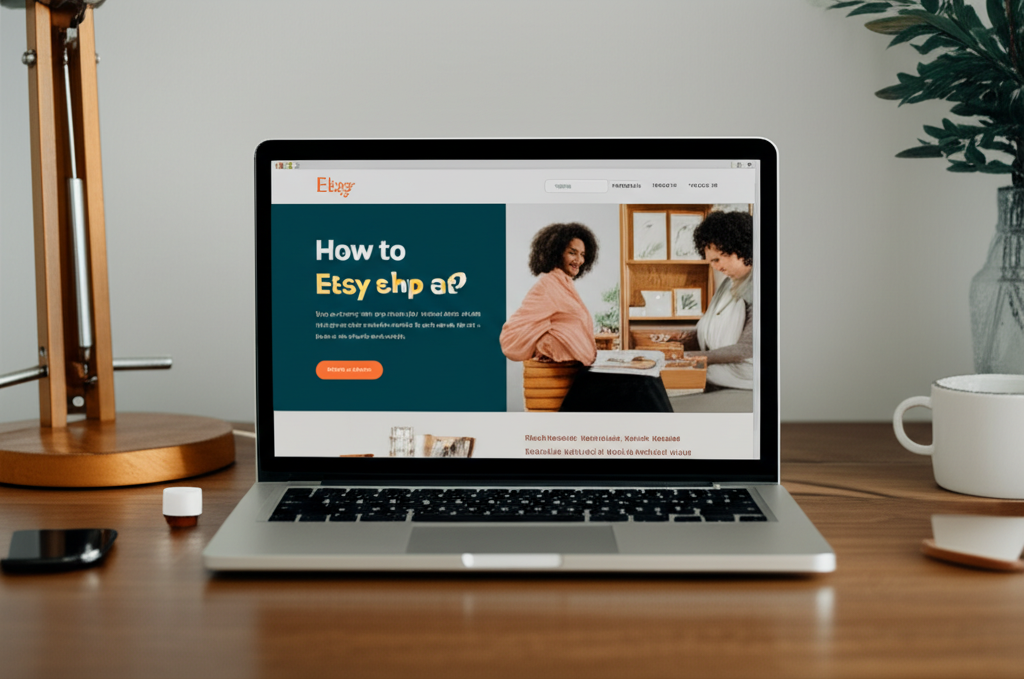
- How to Set Up an Etsy Shop: Your Blueprint for Success
- Stage 1: Laying the Foundation (Before You List a Single Item)
- Nailing Your Niche and Product
- Crafting a Memorable Brand Identity
- Understanding the Financials: Etsy Fees and Pricing Strategy
- Stage 2: The Technical Setup – A Step-by-Step Guide
- Optimizing Your First Product Listings
- Stage 3: Building Trust and Driving Traffic
- Perfecting Your Shop Policies and About Section
- Marketing Your Etsy Shop Beyond the Platform
- Ready to Build Your Brand Beyond the Marketplace?
How to Set Up an Etsy Shop: Your Blueprint for Success
Learning how to set up an Etsy shop is more than just a technical exercise; it’s the first step in building a viable, profitable e-commerce business. In an era where consumers actively seek unique, handcrafted goods and personalized digital products, Etsy stands out as a premier marketplace. According to Etsy’s own reports, the platform connected over 95 million active buyers with sellers in 2023. However, simply listing a product is no guarantee of success. The difference between a stagnant shop and a thriving one lies in a strategic, well-executed setup from day one. This isn’t about just opening a digital storefront; it’s about launching a brand.
Stage 1: Laying the Foundation (Before You List a Single Item)
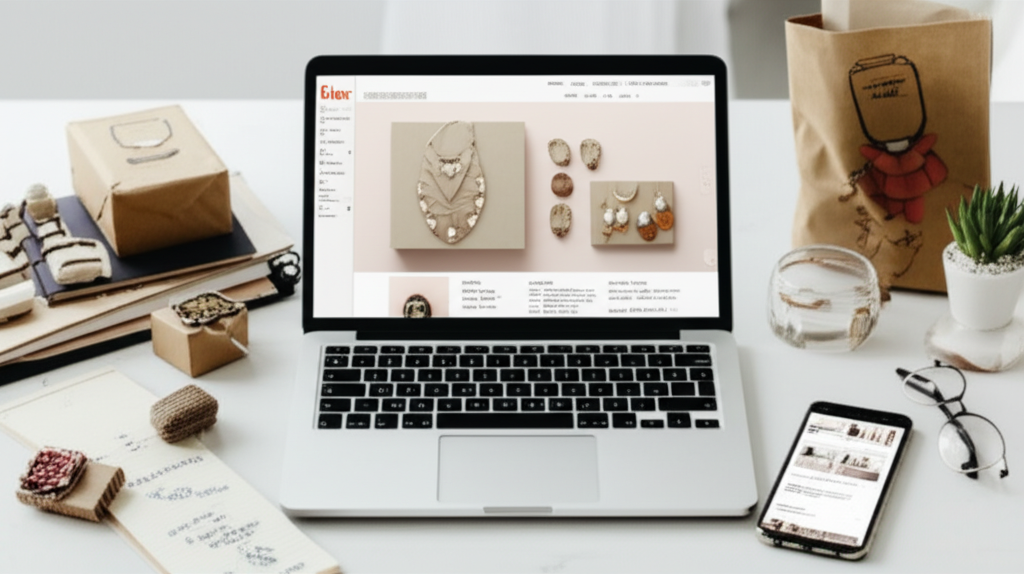
The most common mistake new sellers make is rushing through the initial setup. The pre-launch phase is where you define your brand, understand your market, and create a financial framework that ensures profitability.
Nailing Your Niche and Product
Before you even think about a shop name, you need absolute clarity on what you’re selling and to whom. Are you offering handmade leather goods, vintage clothing, custom digital planners, or niche craft supplies? A broad approach rarely works. Instead, drill down into a specific niche.
Market Research: Spend time browsing Etsy. Who are the top sellers in your desired category? What are they doing well? Identify gaps in the market or opportunities to offer a higher quality, more unique, or better-priced alternative.
Product Validation: Your product must solve a problem or fulfill a desire. A beautiful product that no one is searching for will not sell. Use keyword research tools or even Etsy’s search bar to see what shoppers are actively looking for. High search volume with moderate competition is the sweet spot.
Scalability: Consider your production process. Can you realistically fulfill 10, 50, or 100 orders a month? Plan for growth from the beginning, whether that involves refining your creation process or sourcing reliable materials.
Crafting a Memorable Brand Identity
Your brand is the emotional connection a customer has with your shop. It’s what makes you memorable and builds trust. This goes far beyond a simple logo. It’s about creating a cohesive experience that reflects the quality of your products. The principles of strong brand identity are universal, whether for a major corporation or a solo artisan, and are a core component of effective web design.
Shop Name: Choose a name that is unique, easy to remember, and hints at what you sell. Check that it isn’t already taken on Etsy or other social media platforms.
Visuals: Your logo, banner, and product photography should all share a consistent aesthetic. This visual language tells customers what to expect. Are you minimalist and modern, rustic and charming, or vibrant and playful?
Understanding the Financials: Etsy Fees and Pricing Strategy
Profitability isn’t an accident. You must understand every cost associated with selling on the platform. Etsy’s fee structure is multi-layered, and ignoring it can quickly erase your margins. The primary fees include:
Listing Fee: A flat fee for each item you list.
Transaction Fee: A percentage of the total sale price (including shipping).
Payment Processing Fee: A percentage plus a flat fee to process the payment.
Offsite Ads Fee: A mandatory fee for higher-earning shops on sales generated through Etsy’s external advertising.
Your pricing strategy must account for these fees, plus the cost of your materials, your time, packaging, and shipping. Price your products for profit, not just to break even.
Stage 2: The Technical Setup – A Step-by-Step Guide
With your foundational strategy in place, you can confidently navigate the technical process of setting up your shop. This is where you translate your brand and product research into a high-converting online storefront.
Optimizing Your First Product Listings
A product listing is your digital salesperson. It must be compelling, informative, and optimized for search. This is arguably the most critical part of how to set up an Etsy shop for visibility and sales.
World-Class Product Photography: On a visual platform like Etsy, your photos are everything. You don’t need an expensive camera; a modern smartphone can work wonders. Focus on bright, natural lighting, a clean background, and multiple angles. Include lifestyle shots showing the product in use, a scale shot to indicate size, and close-ups highlighting texture and quality.
Mastering Etsy SEO: The Etsy algorithm connects buyers with products. To appear in search results, you must use the keywords your target customers are using.
Titles: Your title should be descriptive and packed with relevant, long-tail keywords. Instead of “Handmade Candle,” use “Soy Wax Lavender Scented Candle, Aromatherapy Stress Relief Gift, 8oz Amber Jar.”
Tags: Use all 13 available tags for each listing. Think like a customer. What different phrases would they use to find your item? Mix broad terms (e.g., “wall art”) with specific, niche phrases (e.g., “minimalist line art print”).
Compelling Descriptions: Tell a story. Describe the creative process, the materials used, and the benefits of your product. Include all necessary details like dimensions, care instructions, and what’s included in the purchase. Break up text with bullet points for easy readability.
Stage 3: Building Trust and Driving Traffic
Your shop is live, but the work isn’t over. Now, the focus shifts to building a reputation, providing excellent customer service, and actively marketing your products.
Perfecting Your Shop Policies and About Section
Transparency is key to building trust. Your shop policies manage customer expectations and protect you as a seller. Clearly outline your processing times (how long it takes to prepare an order), estimated shipping times, and your policy on returns and exchanges.
Your “About” section is your chance to connect with buyers on a human level. Share your story, your passion for your craft, and photos or videos of your workspace. People buy from people, and this section is your best tool for building that personal connection.
Marketing Your Etsy Shop Beyond the Platform
Relying solely on Etsy search for traffic is a slow growth strategy. The most successful sellers drive their own traffic from external sources.
Social Media: Pinterest and Instagram are powerful visual platforms for showcasing products. Create high-quality content that provides value, not just constant sales pitches.
Build an Email List: Offer a small discount to first-time visitors in exchange for their email address. Email marketing provides a direct line to your most engaged customers, perfect for announcing new products or promotions.
* Collaborate: Partner with influencers or complementary brands in your niche for cross-promotion.
By treating your Etsy shop as a serious business from the outset—with a clear strategy for branding, pricing, and marketing—you move beyond the hobbyist mindset and build a foundation for sustainable, effortless success.
Ready to Build Your Brand Beyond the Marketplace?
A well-optimized Etsy shop is a powerful sales engine, but it’s often just one piece of a larger digital ecosystem. As your business grows, establishing a strong brand presence across multiple channels becomes crucial for long-term stability and growth. If you’re looking to develop a comprehensive digital strategy that complements your Etsy success and builds a lasting brand, it may be time to seek expert guidance.
To explore how a cohesive approach to branding, SEO, and digital marketing can elevate your business, consult with the experts at Rank Raptor.