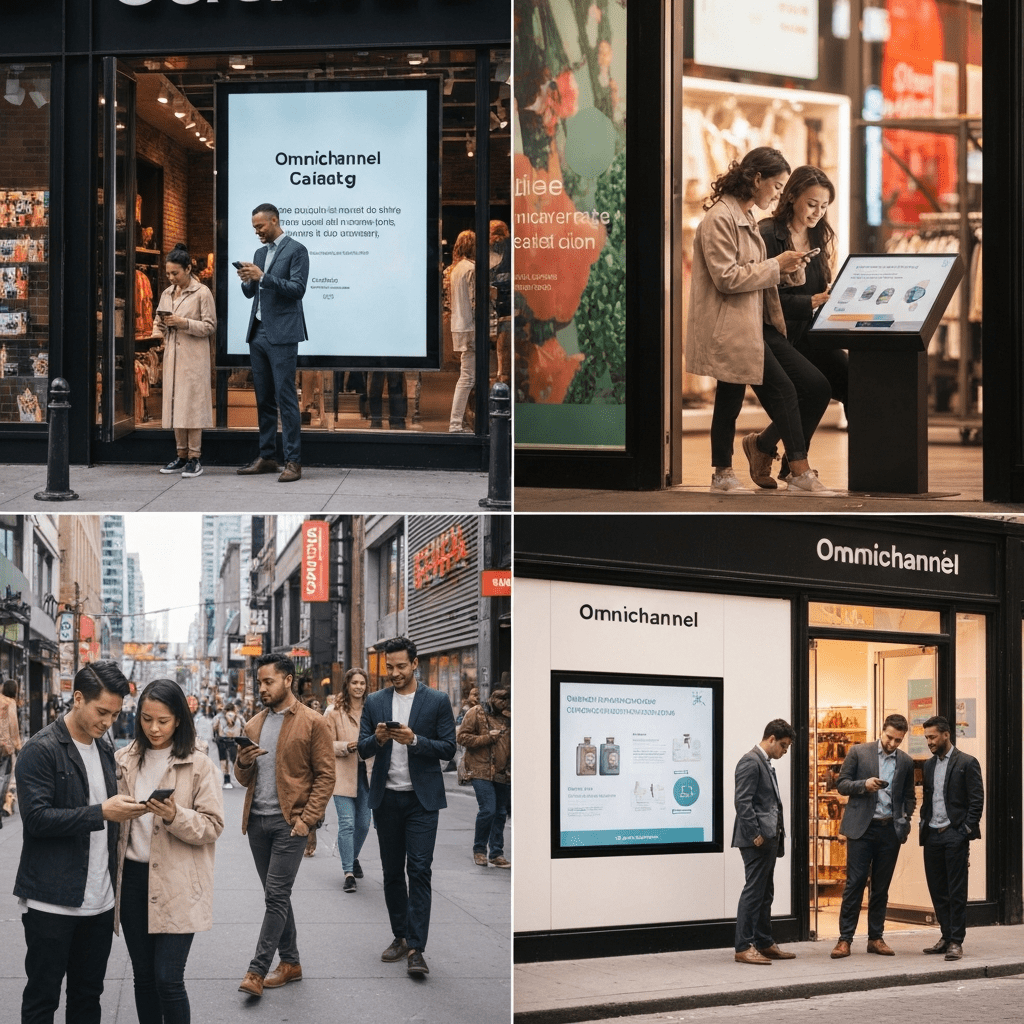
- Omnichannel Retail Canada: The New Standard for Customer Experience
- Why Canadian Consumers Demand an Omnichannel Approach
- Building Your Omnichannel Retail Canada Framework
- Unifying Your Technology Stack
- Mapping the Customer Journey Across Channels
- Empowering Your Team for a Seamless Experience
- The Tangible Business Benefits of an Omnichannel Strategy
- Your Next Step Towards an Omnichannel Future
Omnichannel Retail Canada: The New Standard for Customer Experience
Omnichannel retail Canada is no longer a buzzword whispered in corporate boardrooms; it is the fundamental expectation of the modern Canadian consumer. This isn’t simply about having both a physical store and an e-commerce website. That’s multichannel—a siloed approach where channels operate independently. Omnichannel is the art and science of weaving those channels into a single, seamless, and unified customer journey. It’s about creating an ecosystem where the customer is at the center, and every touchpoint—from a social media ad to an in-store kiosk to a customer service call—is interconnected, consistent, and intelligent. For Canadian businesses, from bustling Toronto startups to established retailers in Vancouver, mastering this strategy is the definitive line between thriving and merely surviving.
Why Canadian Consumers Demand an Omnichannel Approach

The Canadian shopper has evolved. They are digitally savvy, armed with smartphones, and expect a level of convenience and personalization that was once unimaginable. The journey to a purchase is no longer linear. A customer might discover a product on Instagram while on their morning commute, research reviews on their laptop at lunch, visit a physical store in Calgary to see it firsthand, and then complete the purchase on their tablet from their couch that evening.
This fluid movement between online and offline worlds is the new norm. According to Statista, e-commerce revenue in Canada is projected to reach over US$50 billion in the coming years, a testament to the digital shift. However, this doesn’t signal the death of brick-and-mortar. Instead, it highlights the need for physical stores to integrate with the digital experience. Consumers expect to be able to check local store inventory online, buy online and pick up in-store (BOPIS), or easily return an online purchase at a physical location. Any friction in this process—an out-of-sync inventory count, a different return policy online versus in-store, or a sales associate unaware of a current online promotion—shatters the customer experience and erodes trust.
Building Your Omnichannel Retail Canada Framework
Transitioning from a multichannel setup to a true omnichannel strategy requires a deliberate and strategic overhaul of technology, processes, and mindset. It’s about building a foundation that supports a unified view of the customer and your business operations.
Unifying Your Technology Stack
The backbone of any successful omnichannel strategy is integrated technology. Siloed data is the enemy of a seamless experience. Your e-commerce platform, point-of-sale (POS) system, inventory management software, and Customer Relationship Management (CRM) system must communicate with each other in real-time. This creates a single source of truth.
When a customer in Montreal buys the last sweater of a particular size in-store, your website should immediately reflect that it’s out of stock for online orders. When a customer logs into their online account, they should see their entire purchase history, both online and offline. This level of integration is critical. The core of this digital ecosystem is a powerful and flexible website, which acts as the central hub for customer interaction and data collection. A well-executed web design is not just about aesthetics; it’s about building the architecture for a seamless user journey.
Mapping the Customer Journey Across Channels
To build an effective omnichannel experience, you must walk in your customer’s shoes. Map out the various paths a customer can take to interact with your brand and identify potential points of friction.
Consider these common omnichannel scenarios:
Click-and-Collect (BOPIS): The customer buys online and picks up their order at a nearby store, avoiding shipping fees and wait times. This also drives foot traffic to your physical location, creating opportunities for additional sales.
Endless Aisle: A customer is in your store, but the specific size or color they want is out of stock. An empowered sales associate can use a tablet to locate the item in another store or the central warehouse and have it shipped directly to the customer’s home.
Seamless Returns: A customer purchases an item online but finds it’s not quite right. They can return it effortlessly at any physical store location, receiving an immediate refund or exchange without the hassle of repackaging and shipping.
Personalized In-Store Experience: A customer who has been browsing for hiking boots on your website enters your store. Using location data or a loyalty app, you can send a push notification to their phone with a special offer on hiking gear, and your sales staff can access their browsing history to provide tailored recommendations.
Empowering Your Team for a Seamless Experience
Technology is only half the battle. Your frontline staff—the sales associates, customer service agents, and store managers—are the human face of your omnichannel strategy. They must be trained and equipped to bridge the gap between the digital and physical worlds. This means providing them with the tools (like tablets with access to customer profiles and inventory data) and the autonomy to solve customer problems on the spot, regardless of where the initial transaction took place.
The Tangible Business Benefits of an Omnichannel Strategy
Adopting an omnichannel approach is a significant investment, but the returns are substantial and directly impact your bottom line. Research by Harvard Business Review has shown that omnichannel customers are more valuable. They not only spend more on average but also exhibit greater brand loyalty.
Increased Customer Lifetime Value (LTV): By providing a superior, frictionless experience, you build deep-seated loyalty. Happy customers return more often, spend more over their lifetime, and become powerful brand advocates.
Improved Inventory Management: A unified view of inventory across all locations and channels allows for smarter stock allocation, reducing the risk of stockouts (lost sales) and overstocking (tied-up capital). This leads to more efficient operations and better margins.
* Richer Customer Data and Insights: Combining data from every touchpoint provides a 360-degree view of your customer. You can understand their browsing habits, purchase history, and channel preferences, enabling hyper-personalized marketing campaigns and more informed product development decisions.
Your Next Step Towards an Omnichannel Future
The message is clear: for Canadian retailers, omnichannel is not a trend to watch but a strategic imperative to embrace. It’s about recognizing that your customer doesn’t see channels; they see one brand. Delivering on that unified brand promise is the key to building lasting relationships and sustainable growth in a competitive market.
Executing a flawless omnichannel strategy requires a deep understanding of both the digital and physical retail landscapes. It involves aligning complex technology, re-engineering internal processes, and fostering a customer-centric culture. If you’re ready to build a cohesive customer experience that drives real business results, it may be time to consult with experts who can help you navigate the complexities and align your technology and marketing efforts for success.