- How to Promote a Cloud Kitchen: Beyond Just Great Food
- Master the Digital Storefront: Your Website and Online Ordering System
- Dominate Food Aggregator Platforms
- Fuel Your Growth with Social Media Marketing
- A Key Strategy: How to Promote a Cloud Kitchen with Local SEO
- Leverage Paid Advertising for Immediate Impact
- Build a Community, Not Just a Customer List
- Your Next Step: Creating a Cohesive Marketing Strategy
How to Promote a Cloud Kitchen: Beyond Just Great Food
The question of how to promote a cloud kitchen is one every delivery-only operator faces. In a market projected to reach over $71 billion by 2027, simply having a delicious menu is no longer enough to guarantee success. Your ghost kitchen is invisible to foot traffic, making a powerful, multi-channel digital marketing strategy the single most critical ingredient for growth. Without a physical storefront, your online presence is your business. This requires a deliberate and sophisticated approach that goes far beyond simply listing your menu on an app.
Master the Digital Storefront: Your Website and Online Ordering System

While third-party delivery apps offer visibility, they come at a steep price—high commission fees and, more importantly, a barrier between you and your customer data. A dedicated, professionally designed website with an integrated ordering system is your most valuable marketing asset. It’s your brand’s home base.
Think of it as your digital restaurant. This is where you control the narrative, showcase your brand’s personality, and build direct relationships with customers. A high-performance website should feature:
Mouth-Watering Visuals: Invest in professional food photography and videography. Customers eat with their eyes first, and low-quality images will instantly devalue your brand.
Seamless User Experience: The ordering process must be intuitive, fast, and mobile-first. A clunky or slow interface will lead to abandoned carts and lost revenue. A professional web design is non-negotiable for establishing credibility and maximizing conversions.
Data Ownership: By driving traffic to your own site, you collect valuable customer data (emails, phone numbers, order history). This information is gold for creating targeted marketing campaigns, loyalty programs, and personalized offers that third-party apps simply don’t allow.
Dominate Food Aggregator Platforms
Listing your virtual kitchen on platforms like Uber Eats, DoorDash, and Grubhub is a necessary step for reaching a massive, built-in audience actively searching for food. However, don’t just set it and forget it. You need to actively manage your presence to stand out in a crowded digital food court.
Optimize your listings by:
Crafting Compelling Menus: Use descriptive, enticing language. Instead of “Chicken Sandwich,” try “Crispy Buttermilk Fried Chicken Sandwich with Spicy Aioli & House-Made Pickles on a Toasted Brioche Bun.”
Leveraging In-App Promotions: Utilize the platform’s marketing tools. Running a “Buy One, Get One Free” offer or a percentage discount can significantly boost your visibility and push you to the top of the listings.
Aggressively Seeking Reviews: Positive reviews are the lifeblood of your aggregator ranking. Encourage customers to leave feedback with small inserts in your delivery bags or through follow-up emails for direct orders.
Fuel Your Growth with Social Media Marketing
For a food brand, visual platforms like Instagram, TikTok, and Facebook are essential. This is where you can build a community and create a brand that people connect with emotionally, not just transactionally. According to industry reports, a significant percentage of younger consumers discover new food spots through social media.
Your content strategy should be a mix of:
High-Quality Food Content: Stunning photos, satisfying slow-motion videos (think cheese pulls and sauce drips), and Reels showcasing your best dishes.
Behind-the-Scenes Access: Show the process. Introduce your chefs. Highlight the quality of your ingredients. This builds trust and authenticity.
User-Generated Content (UGC): Encourage customers to tag your brand in their photos and stories, then re-share the best ones. UGC is powerful social proof.
Influencer Collaborations: Partner with local food bloggers and influencers to review your menu. Their endorsement can introduce your brand to thousands of engaged, local foodies overnight.
A Key Strategy: How to Promote a Cloud Kitchen with Local SEO
Even without a dining room, your cloud kitchen is a local business. You need to appear when potential customers in your delivery radius search for terms like “best pizza near me” or “taco delivery in [Your City].” This is where Local Search Engine Optimization (SEO) comes in.
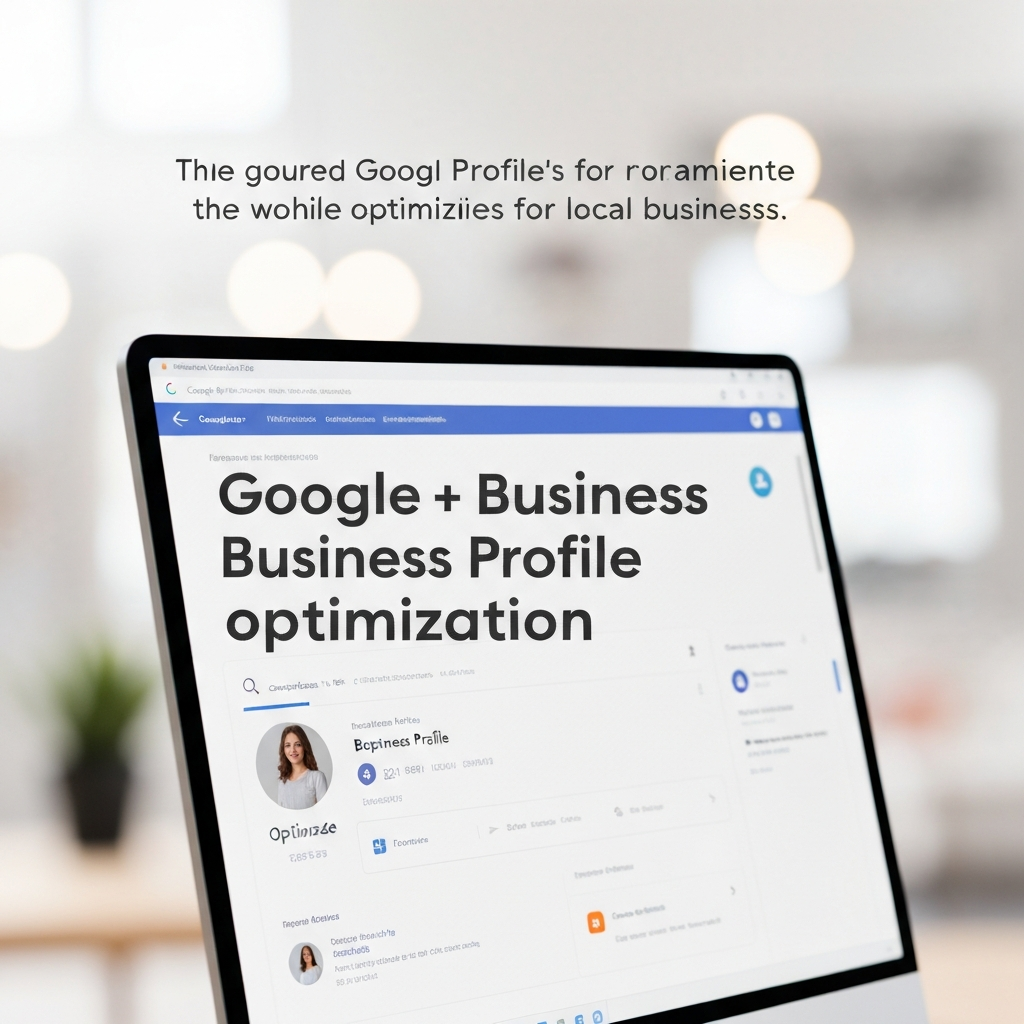
Start with a Google Business Profile (GBP). This is a free tool that allows you to manage how your business appears on Google Search and Maps.
Set it Up Correctly: Register as a “Service-Area Business” since you don’t serve customers at your location. Clearly define your delivery zones.
Optimize Your Profile: Fill out every section completely. Use high-quality photos, write a keyword-rich business description, and create posts to announce new menu items or promotions.
Focus on Reviews: Just like on aggregator apps, Google reviews are a major ranking factor. Actively solicit reviews and respond to every single one—both positive and negative.
Leverage Paid Advertising for Immediate Impact
While organic strategies build long-term value, paid advertising delivers immediate traffic and orders. A well-targeted ad campaign can place your brand directly in front of hungry customers at the exact moment they’re ready to buy.
Social Media Ads: Use Facebook and Instagram’s powerful targeting tools to reach users based on their location, demographics, interests (like “foodie” or “vegan cuisine”), and online behaviors.
Google Ads: Run search campaigns targeting keywords like “[cuisine type] delivery” or “[your city] food delivery.” This captures high-intent customers who are actively looking to place an order.
Retargeting: Install a tracking pixel on your website to run retargeting ads. This allows you to show specific offers to people who visited your site but didn’t complete an order, reminding them of your delicious food and encouraging them to come back.
Build a Community, Not Just a Customer List
The most successful cloud kitchens understand the value of customer retention. Acquiring a new customer can cost five times more than retaining an existing one, as noted by researchers at Bain & Company. Use the data you collect from your direct-ordering website to build lasting relationships.
Email & SMS Marketing: Create a newsletter to share exclusive offers, announce new menu items, and tell your brand’s story. SMS marketing is perfect for sending time-sensitive flash deals (“Free delivery for the next 3 hours!”).
Loyalty Programs: Implement a simple points-based system or a punch card-style program (“Your 10th order is free!”). Rewarding repeat business fosters loyalty and turns casual customers into brand advocates.
Your Next Step: Creating a Cohesive Marketing Strategy
Effectively promoting a cloud kitchen requires more than just trying a few of these tactics in isolation. It demands a cohesive, integrated strategy where your website, social media, SEO, and paid advertising all work together to build brand awareness and drive orders. This can be a complex and time-consuming process, especially when you’re also focused on perfecting your culinary operations.
If you’re ready to move beyond guesswork and implement a professional marketing engine for your ghost kitchen, it may be time to consult with marketing experts who can build a tailored strategy to help your brand thrive in the competitive food delivery landscape.