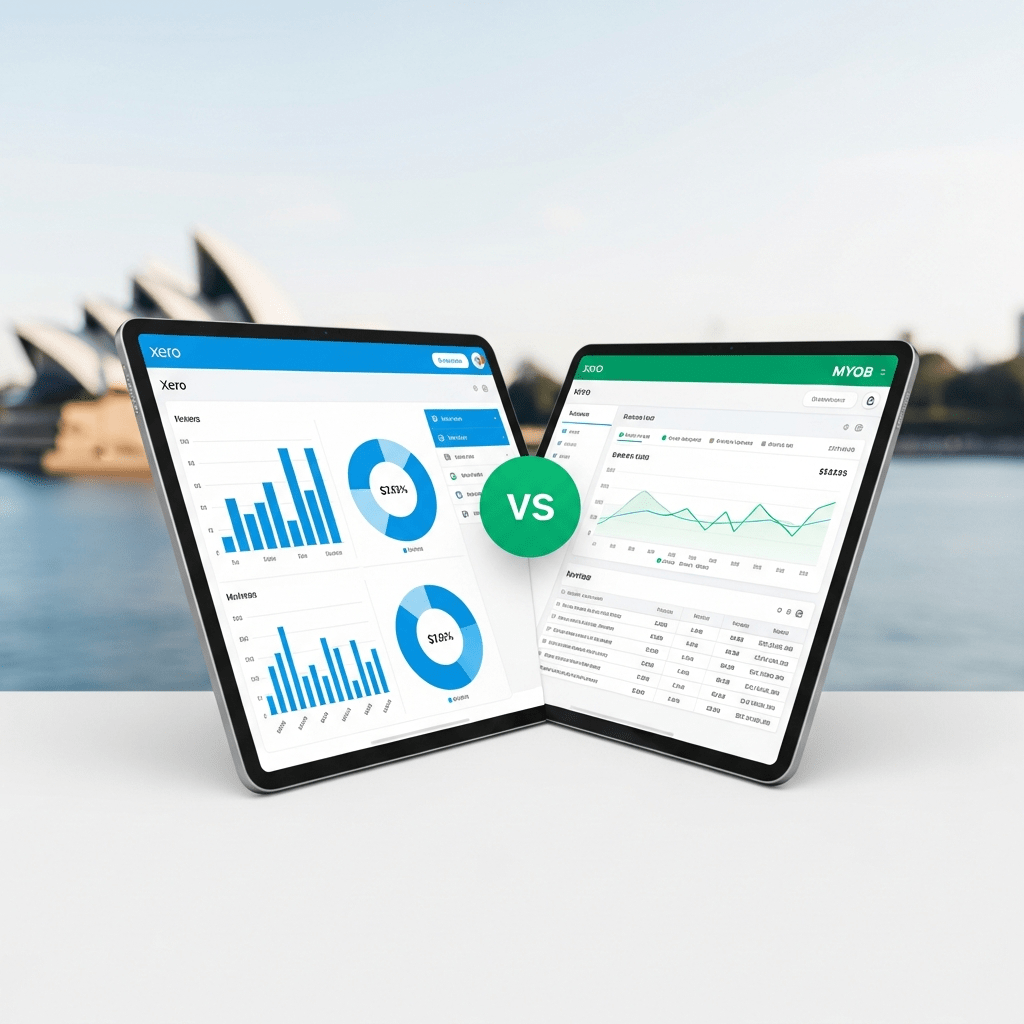
- Xero vs MYOB Australia: The Ultimate Showdown for Your Business
- The First Impression: User Experience and Interface
- Core Features: A Head-to-Head Analysis
- Invoicing and Bank Feeds
- Payroll and STP Compliance
- Inventory Management
- The Ecosystem: Integrations and App Marketplace
- Making the Right Call: Xero vs MYOB for Australian Businesses
- Aligning Your Software with Your Strategy
Xero vs MYOB Australia: The Ultimate Showdown for Your Business
The Xero vs MYOB Australia debate is one of the most critical conversations happening in boardrooms, home offices, and startup hubs across the country. For any Australian business owner, choosing the right accounting software isn’t just an administrative task; it’s a foundational decision that impacts cash flow, compliance, and strategic growth. These two titans of the industry have dominated the landscape for years, but they come from vastly different origins and offer distinct experiences. One was born in the cloud, designed for the modern, agile business. The other, a legacy powerhouse, has adapted its robust desktop heritage for the digital age. This definitive comparison cuts through the noise to help you determine which platform is the superior choice for your specific needs.
The First Impression: User Experience and Interface
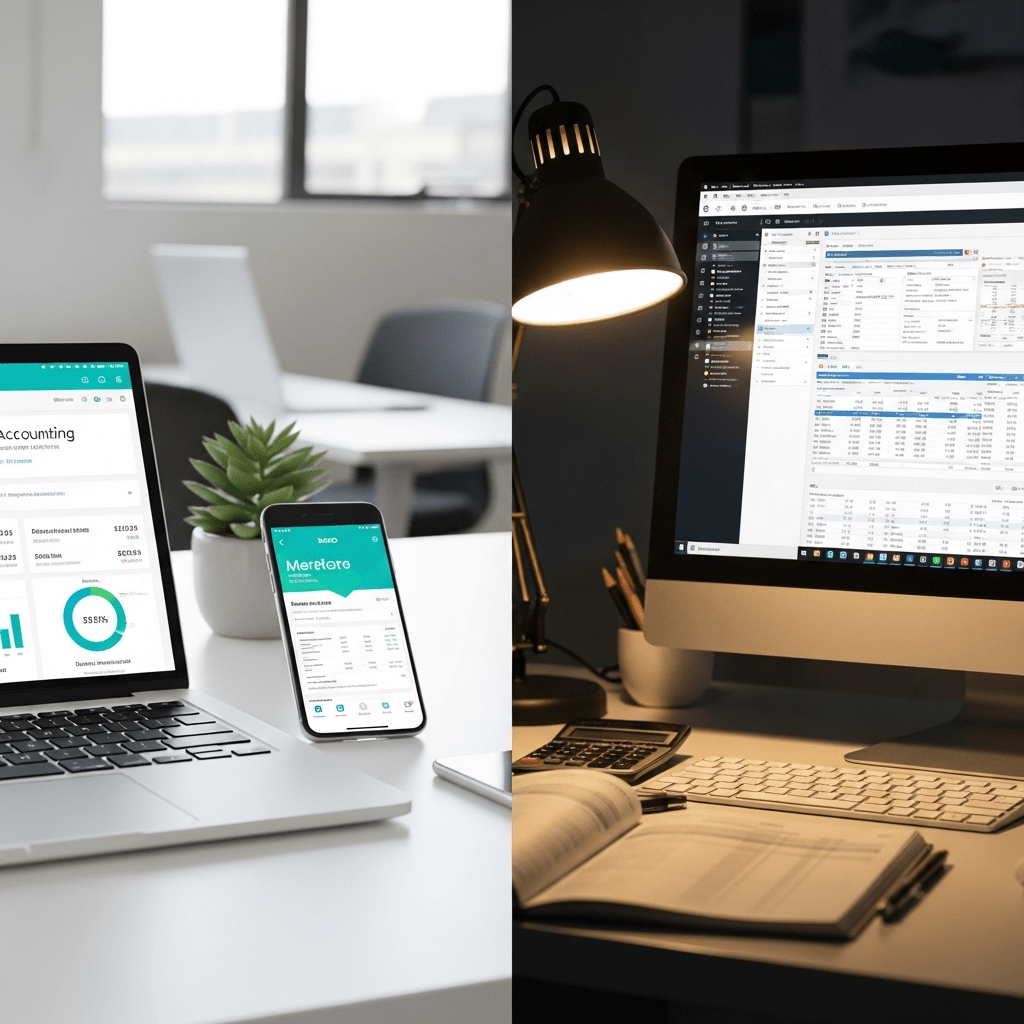
The initial interaction with your accounting software sets the tone for your entire financial management process. This is where the philosophical differences between Xero and MYOB become immediately apparent.
Xero’s interface is famously clean, intuitive, and visually appealing. Built from the ground up as a cloud-native platform, its dashboard is designed for clarity, presenting key financial metrics like bank balances, outstanding invoices, and upcoming bills in a simple, graphical format. The user journey feels logical and requires minimal training, a significant advantage for business owners who aren’t accountants by trade. Navigation is straightforward, and tasks like creating an invoice or reconciling a transaction are streamlined into a few clicks.
MYOB, on the other hand, carries the DNA of its desktop origins. While its cloud offering, MYOB Business, has made significant strides in modernizing its interface, it can sometimes feel less fluid than Xero’s. Users familiar with the classic MYOB AccountRight will find the transition comfortable, but new users may face a slightly steeper learning curve. The layout is more data-dense and traditional, which some seasoned accountants prefer, but it can feel overwhelming for those seeking at-a-glance simplicity.
Core Features: A Head-to-Head Analysis
Beyond aesthetics, the true value lies in the engine room of features that power your business’s finances. Both platforms cover the essentials, but their approach and depth vary.
Invoicing and Bank Feeds
Both Xero and MYOB offer robust invoicing with customizable templates, automated reminders, and online payment options. Xero often gets the edge for its slick, user-friendly invoice creation process and real-time tracking, which lets you see when a client has viewed an invoice.
Bank reconciliation is a cornerstone of modern accounting, and both platforms provide reliable, direct bank feeds from major Australian financial institutions. The process of matching transactions is seamless in both, drastically reducing manual data entry. Xero’s reconciliation screen is often praised for its simplicity, using a single-ledger approach that makes matching payments intuitive.
Payroll and STP Compliance
For any Australian business with employees, Single Touch Payroll (STP) is a legal requirement mandated by the Australian Taxation Office (ATO). Both Xero and MYOB are fully STP-compliant, making payroll reporting a relatively painless process.
Xero’s integrated payroll is included in most of its plans and is known for its ease of use, automating tax calculations, superannuation payments, and leave tracking. MYOB’s payroll is equally powerful and has long been a trusted solution, offering deep customisation for complex award rates and employment conditions, which can be a deciding factor for larger or more intricate businesses.
Inventory Management
This is where the choice becomes clearer for product-based businesses. Xero’s built-in inventory management is functional for businesses with simple needs, allowing for basic tracking of stock levels and cost of goods sold. However, it lacks advanced features like variant tracking or batch numbering.
MYOB, particularly in its higher-tier plans, offers a more sophisticated inventory system. It provides more granular control, including features like multiple pricing levels, back-ordering, and detailed stock reporting. For businesses in retail, wholesale, or manufacturing, MYOB’s native inventory capabilities are often the more compelling option without immediately needing a third-party app.
The Ecosystem: Integrations and App Marketplace
No accounting software exists in a vacuum. Its ability to connect with other business tools—from e-commerce platforms like Shopify to CRM systems and project management apps—is what creates a truly efficient, automated workflow.
This is Xero’s undisputed trump card. The Xero App Store boasts over 1,000 third-party integrations, creating a vast and versatile ecosystem. Whatever your industry or operational need, there is likely an app that connects seamlessly with Xero, allowing you to build a customised, best-of-breed tech stack.
MYOB has its own app marketplace, and while it has grown significantly, it is not as extensive as Xero’s. It covers the major players and essential integrations, but businesses with niche requirements may find the options more limited.
Making the Right Call: Xero vs MYOB for Australian Businesses
The decision ultimately hinges on your business’s specific profile, priorities, and growth trajectory. There is no single “best” platform, only the one that is best for you.
Choose Xero if:
You are a startup, sole trader, or service-based SME.
You prioritise a modern, intuitive user experience that requires minimal training.
You rely heavily on a diverse range of cloud-based business tools and need a vast app ecosystem.
Your accountant or bookkeeper is part of the extensive Xero Advisor network.
Your inventory needs are straightforward or you plan to use a specialised third-party inventory app.
Choose MYOB if:
You are an established business, perhaps in manufacturing, retail, or construction, with complex inventory needs.
You require detailed, traditional reporting and deep payroll customisation.
Your team is already familiar with the MYOB ecosystem from its desktop days.
You value the option of robust, desktop-based software (MYOB AccountRight) alongside a cloud solution.
Your accountant has a long-standing partnership with MYOB.
Aligning Your Software with Your Strategy
Selecting between Xero and MYOB is a critical operational decision, but it’s just one piece of your larger digital puzzle. The right software provides the data and efficiency to fuel your growth, but it needs to be integrated with a powerful online presence and a cohesive digital strategy. Your accounting platform should work in harmony with your website, marketing efforts, and customer management systems to create a seamless engine for success.
If you’re looking to ensure that every component of your digital foundation is optimised for performance and growth, from your financial software to your customer acquisition channels, our team can provide the strategic guidance you need. Let’s build a framework that drives tangible results for your business.